
In crisis? Call or text 988 — available 24/7
Transcranial Magnetic Stimulation (TMS Therapy) is an FDA-approved, non-invasive procedure that uses magnetic pulses to stimulate specific areas of the brain associated with mood regulation. This therapy works to manage symptoms associated with various mental health conditions.
TMS is Transcranial Magnetic Stimulation therapy, a non-drug treatment for major depression. TMS uses focused magnetic pulses, similar to an MRI, to reignite and stimulate dormant synapses (nerve cell connections) in the brain and help your brain function the way it was meant to. In a way, it is “resetting” your brain. It is not a drug, “shock” therapy, or surgery. It is a safe, effective treatment for severe Major Depressive Disorder (MDD) without the side effects of medication.
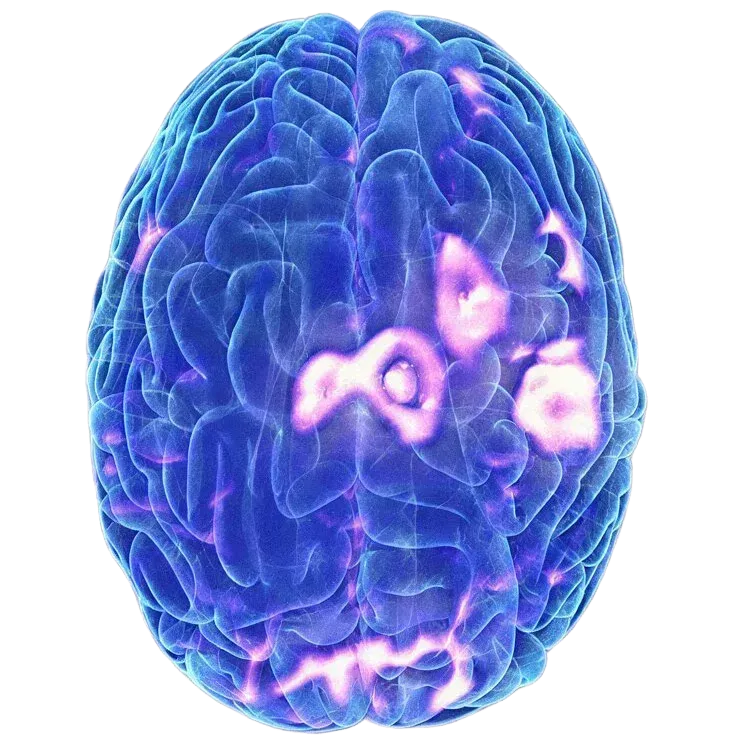
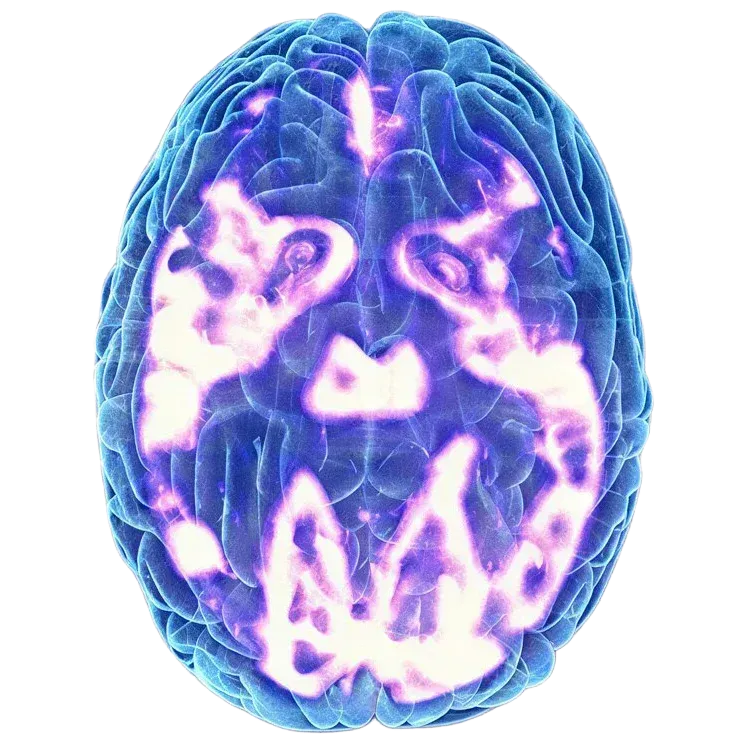
Transcranial Magnetic Stimulation (TMS Therapy) is an FDA-approved, non-invasive procedure that uses magnetic pulses to stimulate specific areas of the brain associated with mood regulation. This therapy works to manage symptoms associated with various mental health conditions.
During each session, no surgery or medication is required. At the beginning of treatment, the positioning of the magnet will be mapped out for further appointments.

TMS Therapy is approved by the U.S. Food and Drug Administration. Unlike medications, TMS poses few to no side effects.

After each session, you can resume your daily activities as normal. TMS does not disrupt your day-to-day tasks.

TMS patients have reported significant improvements in mood and mental clarity.

1. Consultation: Your provider will conduct a thorough evaluation to determine if TMS is right with you.
2. Mapping: During the first session, the team will map your brain to identify the precise area to target.
3. During this time, the provider will also determine your motor threshold or the proper amount of magnetic energy to use for your treatment.

You will sit in a comfortable chair, awake and alert. A magnetic coil will be placed against your scalp, delivering gentle pulses to the targeted brain area. You will hear a clicking sound and feel a tapping sensation on your scalp.

– Have a ride arranged to pick you up from your appointment (after treatment, you are not able to operate machinery for some time)
– Continue to monitor symptoms (Relief may begin after session or as early as 1-2 weeks)


MagVenture TMS therapy is approved for the treatment of Major Depressive Disorder. Patients who have failed to achieve satisfactory improvement using antidepressant medications now have a non-invasive treatment option that has proven effective and safe with little to no side effects.
TMS is not considered to be painful. However, for the first few treatments, you can experience some discomfort at the treatment site.
If you agree with two or more of these statements, MagVenture (TMS) may be right for you.
Depression symptoms have interfered with my daily life.
I am not satisfied with the results I get from depression medication.
I have had or worry about side effects from depression medications.
I have switched medications for depression due to side effects.
I am interested in a proven, non-drug therapy for depression.
MagVenture TMS Therapy is offered either as Express TMS®, which lasts 3.9 minutes, or as standard TMS, lasting 18.8-37.5 minutes. One treatment is given daily, 4-5 times per week, over 4-6 weeks.
The most common side effect is discomfort at or near the treatment site. These events are transient; they occur during the TMS treatment course and do not occur for most patients after the first week of treatment.
We advise our patients to continue taking their medications as prescribed unless instructed by our Medical Director or the doctor managing their psychiatric care. Each patient is different, though, so you should discuss any changes with your doctor and alert the TMS Coordinator and your treater.
TMS feels like a tapping sensation. Some patients experience discomfort, and others say they do not feel much of anything. During TMS, the machine will make a clicking sound. Patients wear earplugs and can listen to music, watch TV, chat with their treater or sit back and relax.
You will not be alone during treatment with our office. Our TMS treaters will be right by your side to chat with you and keep you company. Each patient has the same treater for each treatment, and your treater will get to know your preferences to help you feel as comfortable as possible.
TMS is NOT ECT. TMS treatment allows you to remain awake and alert during each treatment with minimal to no side effects. There are no hospital stays involved, no sedation, no memory loss, and no downtime.
Good news! Most insurance companies now cover TMS! Although each plan is different, and the cost may vary depending on your insurance coverage, your insurance plan will likely cover this treatment. Suppose your insurance plan does not cover this treatment or you do not meet all the qualifications. In that case, MD TruCare TMS Program does offer cash payment options.